 Skip to content







You want to tell her she matters. You see her juggling responsibilities, weathering stress, and showing up for everyone around her—and you know she deserves to hear that she’s valued. But finding the right words can feel surprisingly difficult, especially when generic compliments don’t capture what you truly want to express. Words of affirmation for her aren’t just about flattery or surface-level praise. When delivered with intention and authenticity, they become a therapeutic tool that strengthens emotional bonds, validates her experiences, and supports her mental health in measurable ways.
From a clinical perspective, meaningful affirmations for women can help lower stress, improve emotional regulation, and build secure attachment patterns in relationships. They acknowledge not just what she does, but who she is—her character, her effort, the emotional labor she contributes. This post provides categorized examples of affirmations that actually resonate, therapist-backed guidance on how to give words of affirmation that land with authenticity, and insight into when communication struggles may benefit from professional support. Whether you’re looking to deepen your connection or navigate a challenging season together, these tools can help you express what she needs to hear.
Why Words of Affirmation Matter for Women’s Emotional Well-Being
The psychological impact of consistent verbal validation extends far beyond making someone feel good in the moment. Research in attachment theory shows that consistent verbal validation—what therapists call therapeutic communication that answers “What are words of affirmation in relationships?” creates a foundation of security that buffers against stress and anxiety. When women receive specific, authentic affirmations, their bodies respond physiologically: stress lowers, heart rate variability improves, and the nervous system shifts toward a calmer state that supports emotional regulation and resilience.
Women often carry invisible emotional labor, especially during vulnerable life stages like postpartum periods, career transitions, grief, or perimenopause. The difference between empty praise and therapeutic affirmations lies in specificity and depth. Saying “you’re amazing” feels nice but lacks the weight of “the way you handled that conflict with patience and clarity showed real emotional maturity.” One is generic; the other acknowledges character and effort. Therapeutic communication in relationships focuses on what psychologists call “process praise”—affirming the qualities and actions that reflect who she is, not just what she accomplishes or how she looks. This type of validation builds self-worth from the inside out, creating a secure base that supports mental health over time.
Meaningful Affirmations Organized by Context and Need
Effective words of affirmation for her aren’t one-size-fits-all. They need to match the moment, the relationship dynamic, and the specific need she’s experiencing. The following love language words of affirmation examples are organized by context, helping you choose language that lands with authenticity rather than feeling scripted or performative.
Daily Affirmations for Your Partner
- “I’m grateful I get to do life with you.”
- “You make our home feel like a safe place.”
- “I notice how thoughtful you are with the people you love.”
- “Your perspective helps me see things I would have missed.”
Affirmations During Difficult Times
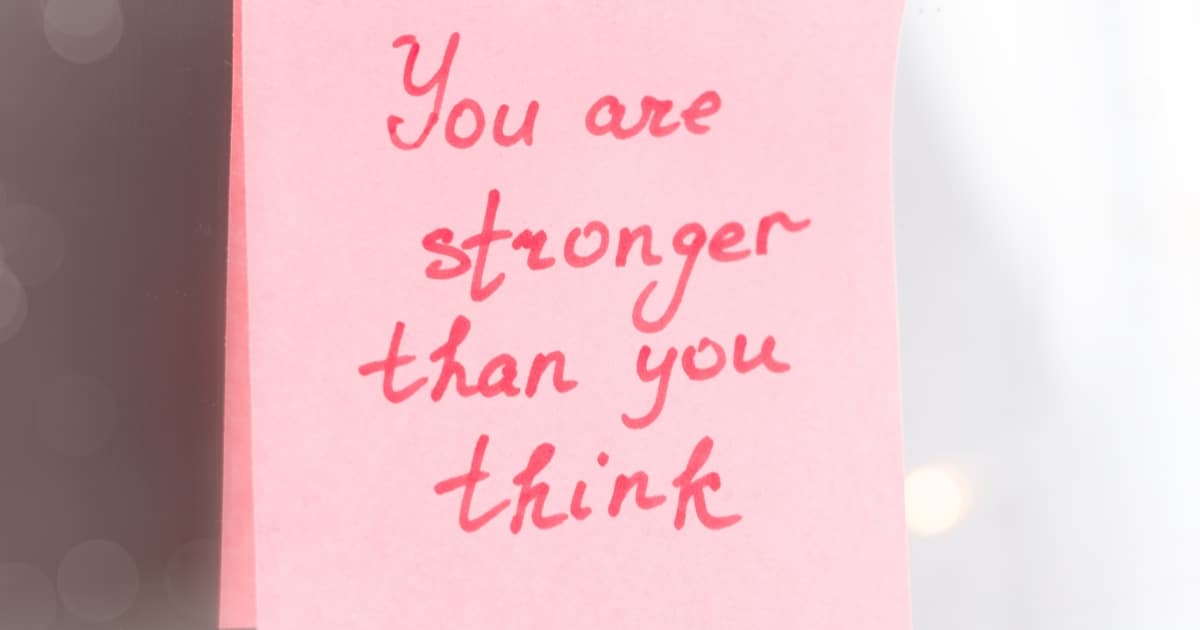
- “You’re handling this with more strength than you realize.”
- “It’s okay to not be okay right now. I’m here.”
- “The way you’re navigating this shows real courage.”
- “I see how hard this is, and I see you still showing up.”
Affirmations That Acknowledge Her Strengths
- “Your ability to stay calm under pressure is something I admire.”
- “You have a gift for making people feel heard and valued.”
- “The way you problem-solve is both creative and grounded.”
- “Your emotional intelligence makes our relationship stronger.”
- “I’m constantly learning from how you handle difficult conversations.”
Affirmations for Emotional Support
- “Your feelings make sense, and they matter to me.”
- “I believe you, and I’m here to support you through this.”
- “You’re not overreacting. What you’re feeling is valid.”
- “I see the effort you’re putting in, even when it’s invisible to everyone else.”
- “It’s safe to be vulnerable with me. I won’t minimize what you’re going through.”
These affirmations for emotional support validate experiences that often go unrecognized in daily life.
Affirmations About Her Impact on Your Life
- “I’m a better person because of how you challenge me to grow.”
- “The way you love has shown me what unconditional support looks like.”
- “I feel closest to you when we’re just being ourselves together.”
- “Your vulnerability makes me feel trusted in a way that deepens everything between us.”
| Situation | Generic Affirmation | Specific, Meaningful Alternative |
|---|---|---|
| After a stressful work week | “You worked hard.” | “The way you handled that deadline while staying kind to your team—that’s leadership.” |
| During a conflict | “It’s fine, let’s move on.” | “I appreciate that you’re willing to work through this even when it’s uncomfortable.” |
| Everyday moment | “You’re awesome.” | “I notice how you check in on people—you make them feel like they matter.” |
| Celebrating an achievement | “Congrats, you did it!” | “The persistence you showed to get here—that’s what I admire most about you.” |
The examples above show how words of affirmation for her shift from generic to meaningful. Frequency matters less than consistency and authenticity. A single deeply felt affirmation delivered at the right moment carries more weight than a dozen scripted compliments. Pay attention to when she seems to need validation most—after a hard day, when she’s doubting herself, in quiet moments when connection feels distant. Those are the times when encouraging words for your partner carry weight beyond pleasantries—they become anchors.
How to Deliver Affirmations That Actually Land
How you deliver affirmations—timing, tone, body language—determines whether they feel genuine or performative. Therapists emphasize that affirmations work best when they’re specific, unprompted, and delivered with full presence: eye contact, phone down, tone matching the weight of your words.
Common mistakes undermine even well-meaning affirmations: conditional praise attaches worth to behavior, dismissive affirmations invalidate feelings while pretending to support them, and performative compliments signal that the affirmation serves your image rather than her needs.
Words of affirmation for her should match her communication style and preferences. Some women value public acknowledgment; others find it uncomfortable and prefer private validation. Some need affirmations about their competence and strength; others crave reassurance about emotional safety and connection. Pay attention to what she responds to. If she lights up when you acknowledge her problem-solving skills but seems indifferent to compliments about her appearance, that’s data. Tailor your affirmations to what actually resonates rather than defaulting to what you think you’re supposed to say.
Recognize when she needs something other than affirmations—active listening, physical presence, or professional support. When communication patterns show chronic invalidation, emotional withdrawal, unresolved resentment, or persistent anxiety, couples therapy or individual mental health support may be needed. Positive affirmations for relationships are powerful, but they’re not a substitute for active listening, accountability, or addressing deeper relational issues.
| Red Flag | What It Might Indicate |
|---|---|
| She dismisses or deflects every affirmation you offer | May signal low self-worth, depression, or unresolved trauma affecting her ability to receive validation |
| Affirmations feel performative or obligatory on your end | Could indicate emotional disconnection, resentment, or misalignment in the relationship |
| She frequently questions your sincerity or motives | May reflect trust issues, attachment insecurity, or past relational wounds that need therapeutic attention |
| Communication feels stuck in cycles of criticism and defensiveness | Suggests deeper patterns that benefit from couples therapy to rebuild safety and connection |

Words That Work Wonders at Treat Mental Health Tennessee
Words of affirmation for her strengthen healthy relationships, but they can’t fix broken communication patterns or replace professional support when mental health struggles interfere with daily life. If you’ve noticed persistent anxiety, depression, withdrawal, or conflict that affirmations alone can’t address, that’s not a failure—it’s an invitation to seek guidance. Treat Mental Health Tennessee offers teletherapy services across the state, including couples therapy that teaches therapeutic communication skills and individual therapy for women navigating anxiety, depression, life transitions, and relational challenges. Whether you’re looking to deepen your connection or address patterns that keep you stuck, reaching out is a step toward the support that helps relationships—and individuals—thrive. You don’t have to figure this out alone. Professional care is accessible, and it works.
FAQs
The following questions address common concerns about using affirmations effectively, when they help, and when additional support may be needed.
1. What are words of affirmation in a relationship?
Words of affirmation are verbal expressions that validate your partner’s worth, efforts, and emotional experiences. They go beyond surface-level compliments to acknowledge character, emotional labor, and the specific ways she contributes to your life and relationship.
2. How often should I give my partner words of affirmation?
Consistency matters more than frequency. Daily small affirmations woven into natural conversation create a baseline of validation, while intentional, specific affirmations during meaningful moments deepen connection. The goal is steady presence, not performative repetition.
3. What if my partner doesn’t respond to words of affirmation?
Not everyone has words of affirmation as their primary love language—some people feel more valued through acts of service, quality time, or physical touch. If she consistently dismisses or deflects affirmations, it may also signal low self-worth, depression, or attachment issues that benefit from professional support.
4. Can words of affirmation help with anxiety or depression?
Affirmations can support emotional regulation and reduce stress when delivered authentically and consistently. However, they complement but don’t replace professional mental health treatment when symptoms interfere with daily functioning, relationships, or quality of life.
5. What’s the difference between compliments and meaningful affirmations?
Compliments often focus on appearance or surface-level traits, while meaningful affirmations acknowledge character, effort, and emotional impact. Affirmations validate who she is and what she does in ways that build self-worth from the inside out, creating deeper relational security.


