 Skip to content





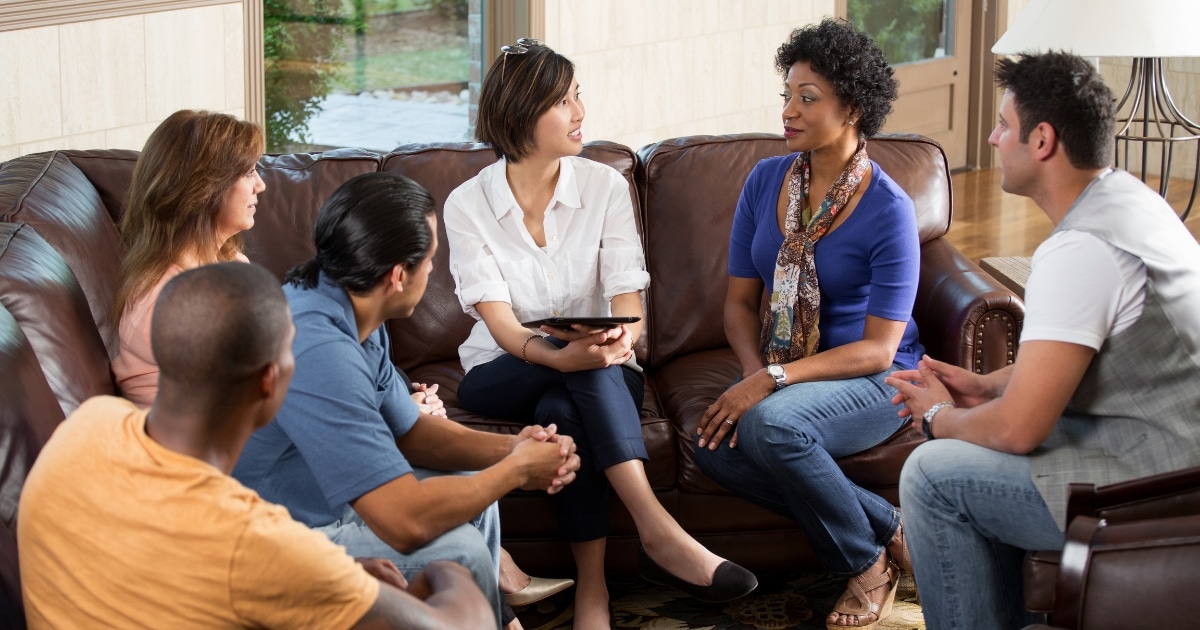
Group therapy offers a unique space where healing happens not in isolation, but through shared experience and mutual support. When structured activities guide these sessions, participants find trust, practice new skills, and discover they’re not alone in their struggles. These intentional exercises create psychological safety while moving members toward meaningful change in how they relate to themselves and others.
From icebreakers for therapy groups that ease nervous first-timers into the process, to DBT group activities for adults that teach concrete emotion regulation skills, the range of evidence-based group therapy activities available today serves diverse populations and therapeutic goals. Whether delivered in person or adapted as virtual group therapy ideas for telehealth platforms, these structured exercises form the backbone of effective group counseling across anxiety treatment, trauma recovery, substance use support, and beyond. Understanding what to expect in group therapy sessions, how to facilitate group counseling, and how facilitators select and deliver these activities empowers both clinicians and individuals considering this powerful treatment modality.

Types of Group Therapy Activities by Therapeutic Goal
Effective therapeutic exercises align with specific objectives rather than following a one-size-fits-all approach. Group facilitators match activities to the group’s developmental stage, recognizing that newly formed groups need different exercises than established ones. During the forming stage, therapeutic group exercises focus on introductions and establishing safety. The storming phase may require conflict resolution activities as members navigate disagreements. Norming activities deepen trust and cohesion, while performing-stage groups tackle more challenging therapeutic work. Skilled facilitators assess factors including group size, member readiness, trauma histories, and session length when selecting exercises that maximize therapeutic benefit without overwhelming participants.
| Therapeutic Goal | Activity Type | Best Group Stage |
|---|---|---|
| Building Trust and Safety | Icebreakers, sharing circles, confidentiality agreements | Forming |
| Emotional Regulation | Mindfulness exercises, distress tolerance skills, and feeling identification | Norming to Performing |
| Communication Skills | Role-plays, active listening practice, and assertiveness training | Storming to Norming |
| Anxiety Management | Exposure exercises, cognitive restructuring, relaxation techniques | Norming to Performing |
Evidence-Based Group Therapy Exercises for Connection and Healing
The following curated selection represents group therapy activities proven effective across various therapeutic settings and mental health challenges. These exercises address common concerns, including anxiety, depression, trauma, and substance use disorders, while fostering the interpersonal connection that makes group work uniquely powerful. Each category serves distinct therapeutic purposes, and facilitators often combine multiple activity types within a single session to address the layered needs of group members.
Icebreakers and Trust-Building Exercises
Two Truths and a Lie, adapted for therapeutic settings, invites members to share two genuine facts and one false statement about their recovery journey or coping strategies, helping participants find common ground while maintaining appropriate boundaries. The Human Knot physical exercise requires members to problem-solve together, building trust through collaboration and demonstrating the safety of relying on others—particularly valuable for trauma survivors learning to trust again.
Emotional Regulation Activities
Feelings Charades encourages members to act out emotions without words, helping participants recognize emotional expressions in themselves and others—a skill often impaired in those with anxiety or depression. Mindful Breathing Circles synchronize group members’ breath and attention, creating physiological calm. DBT group activities for adults frequently incorporate TIPP skills practice, teaching participants to change their body temperature, engage in intense exercise, use paced breathing, or practice progressive muscle relaxation when distress feels overwhelming. These group therapy techniques for anxiety help participants recognize and shift emotional states before distress becomes overwhelming.
Communication and Social Skills Development
Active Listening Triads divide the group into speakers, listeners, and observers who provide feedback on communication patterns, addressing the interpersonal difficulties that often accompany mental health challenges. Assertiveness Role-Play Scenarios allow members to practice setting boundaries and expressing needs in low-stakes situations before attempting these skills in their daily lives.
Cognitive Restructuring Activities
Thought Record Sharing Circles invite members to present situations that triggered distress, identify automatic thoughts, examine evidence for and against those thoughts, and develop balanced alternatives with group input. Cognitive Distortion Bingo transforms the identification of thinking errors into an engaging game where members mark off squares as they recognize patterns like catastrophizing or all-or-nothing thinking in shared examples.
Coping Skills and Creative Expression
Trigger Identification Mapping helps members visually chart people, places, situations, and emotions that increase substance use or symptom recurrence risk, then collaboratively develop specific responses for each trigger. HALT Check-in protocols teach groups to pause and assess whether they’re Hungry, Angry, Lonely, or Tired—states that increase vulnerability to relapse—and address these needs proactively. Collaborative Art Projects allow nonverbal expression of experiences that feel too difficult to articulate, particularly valuable for trauma survivors. Gratitude Jar contributions invite members to write and share moments of appreciation, gradually shifting attention toward positive experiences without dismissing genuine struggles.
Adapting Group Therapy Activities for Virtual and Telehealth Sessions
Virtual group therapy has evolved from an emergency response during the pandemic to a permanent, valued treatment option that expands access for individuals across Tennessee who face transportation barriers, scheduling conflicts, or geographic isolation. Facilitators who lead virtual groups must understand both the limitations and unique opportunities of video platforms. While physical icebreakers like the Human Knot don’t translate directly, virtual alternatives like collaborative online whiteboards for shared artwork or breakout rooms for paired exercises maintain the interpersonal connection that makes group work effective.
Successful virtual group therapy ideas include using the chat function for anonymous question submission, screen-sharing for guided imagery exercises, and polling features for quick check-ins that engage all members simultaneously. Facilitators address screen fatigue by incorporating more frequent breaks, varying activity types within sessions, and encouraging members to adjust their view settings. Technical difficulties become less disruptive when groups establish protocols for rejoining after disconnection and use backup communication methods.
| In-Person Activity | Virtual Adaptation |
|---|---|
| Human Knot physical exercise | Collaborative online whiteboard problem-solving |
| Feelings Charades with movement | Emoji reactions or facial expression mirroring on camera |
| Collaborative art projects | Screen-shared digital canvas or breakout room drawing exercises |
| Trust Walk with partners | Guided visualization with one member leading, others following with eyes closed |
Trust-building exercises for mental health groups require particular adaptation for virtual delivery. Facilitators compensate by extending time for relationship-building activities, creating consistency through predictable session structures, and explicitly naming the vulnerability of showing up on camera. Many clinicians find that certain populations—including those with social anxiety or agoraphobia—actually engage more readily in virtual groups where the screen provides a sense of safety while still offering genuine connection.
Where Connection Meets Healing at Treat Mental Health Tennessee
The group therapy activities described here represent more than clinical techniques—they’re pathways to the connection, skill-building, and hope that emerge when people face mental health challenges together rather than in isolation. At Treat Mental Health Tennessee, our experienced facilitators integrate these evidence-based approaches into comprehensive group therapy programs designed for adults across Tennessee. Whether you’re managing anxiety, depression, trauma, or simply seeking support during a difficult season, our virtual groups provide a structured, compassionate environment where meaningful change happens. We offer specialized groups addressing various concerns and skill levels. Contact Treat Mental Health Tennessee today to learn about current group schedules, verify your insurance coverage, and take the first step toward healing in the community. You don’t have to face mental health challenges alone—connection and professional support are just a phone call away.
FAQs
Here are answers to common questions about participating in group therapy and how these structured exercises work in practice.
1. What should I expect during my first group therapy session?
Your first group therapy session typically begins with introductions and establishing group guidelines to create a safe, confidential environment. The facilitator will likely use icebreaker activities to help members feel comfortable before moving into deeper therapeutic work in subsequent sessions.
2. How do facilitators choose which group therapy activities to use?
Facilitators select activities based on the group’s therapeutic goals, developmental stage, population characteristics, and individual member needs assessed during intake. They also consider factors like group size, session length, and whether the format is in-person or virtual to ensure maximum engagement and therapeutic benefit.
3. Can group therapy activities work effectively in virtual sessions?
Yes, most therapeutic exercises can be successfully adapted for telehealth platforms with proper planning and facilitation techniques. Virtual groups may use breakout rooms for smaller exercises, digital whiteboards for collaborative activities, and screen-sharing for guided exercises while maintaining the same therapeutic effectiveness as in-person sessions.
4. Are group therapy activities suitable for people with anxiety or social phobia?
These structured exercises are specifically designed to accommodate various comfort levels and can be particularly beneficial for anxiety and social phobia when facilitated by trained professionals. Therapists modify activities to respect individual boundaries, allow gradual exposure to social interaction, and create supportive environments where members progress at their own pace.
5. How long does it take to see benefits from participating in group therapy activities?
Many participants report feeling initial benefits like reduced isolation and increased hope after just a few sessions as they connect with others facing similar challenges. Deeper therapeutic changes in communication skills, emotional regulation, and behavioral patterns typically emerge after consistent participation over several weeks, though individual experiences vary based on personal goals and engagement level.


