Skip to content





Your heart is pounding so hard you’re convinced something is terribly wrong. Your chest feels tight, your breathing turns shallow, and a wave of dread washes over you with no clear reason. These moments can feel like you’re losing control of your body and mind, and if you’ve never experienced one before, you might worry you’re having a heart attack or a medical emergency. What you’re likely experiencing is an anxiety attack—a sudden surge of overwhelming fear and physical symptoms that, while deeply frightening, is not life-threatening. Knowing “What is anxiety attack?” and recognizing its signs can help you regain a sense of control.
Anxiety attacks are more common than many people realize, affecting millions of Americans each year. The physical symptoms of anxiety during these episodes can be so severe that many people visit emergency rooms, only to be told their heart and other vital organs are functioning normally. Whether you’re in Nashville or anywhere across Tennessee, professional support is available to help you move from fear to confidence in managing these challenging moments.
Recognizing the Signs in Your Body and Mind
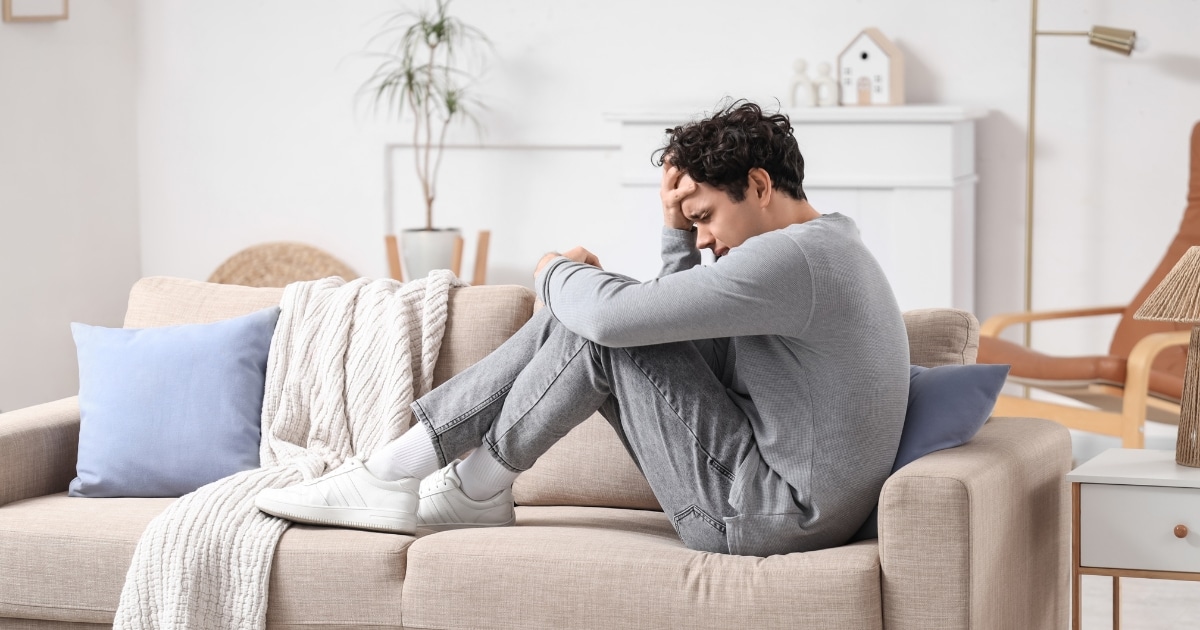
Anxiety attack symptoms can be startling and intense, affecting both your body and mind. Your heart may race or pound, sometimes skipping beats in a way that feels alarming. Chest tightness or pain often accompanies this rapid heartbeat, making it easy to mistake the episode for a cardiac event. Shortness of breath or a feeling that you can’t get enough air is common, along with sweating, trembling, dizziness, and nausea. These physical symptoms of anxiety are your body’s fight-or-flight response activating without an actual physical threat present.
Beyond the physical sensations, anxiety attacks bring cognitive and emotional symptoms that can be equally distressing. Racing thoughts flood your mind, often centered on fears of losing control, going crazy, or dying. You might feel a sense of unreality, as if you’re watching yourself from outside your body, or the world around you seems dreamlike and distant. Overwhelming dread settles in without a clear cause, and you may feel detached from yourself or your surroundings. These mental and emotional components work together with physical sensations to create an experience that feels all-consuming and terrifying, especially during your first episode.
| Symptom Category | Common Experiences | Why It Happens |
|---|---|---|
| Physical | Racing heart, chest pain, shortness of breath, sweating | Adrenaline release prepares the body for perceived danger |
| Cognitive | Racing thoughts, fear of dying, sense of unreality | Brain interpreting physical sensations as life-threatening |
| Emotional | Overwhelming dread, feeling detached, intense worry | Limbic system activation triggers a fear response |
| Behavioral | Urge to escape, freezing in place, seeking reassurance | Survival instincts are attempting to remove you from the threat |
Common Triggers and Why Anxiety Attacks Happen
- Crowded or enclosed spaces that create feelings of being trapped or unable to escape quickly
- Public speaking or performance situations where you fear judgment or embarrassment
- Health concerns or medical appointments that activate fears about illness or mortality
- Financial stress, including bills, debt, or major purchases that feel overwhelming
- Relationship conflicts or social situations where rejection or criticism feels likely
- Accumulated stress from multiple smaller stressors
Lifestyle Factors That Increase Vulnerability
Your daily habits play a significant role in your baseline anxiety level and susceptibility to attacks. Caffeine consumption, especially in large amounts or later in the day, can mimic and amplify anxiety symptoms by increasing heart rate and creating jitteriness. Poor sleep quality or insufficient sleep leaves your nervous system depleted and less able to regulate stress responses. Nutritional deficiencies, irregular eating patterns, and blood sugar fluctuations can all contribute to physical sensations that your brain may interpret as threatening, lowering the threshold for an anxiety attack.
Substance use, including alcohol and recreational drugs, may seem to provide temporary relief but often worsens anxiety over time and can trigger rebound anxiety as substances leave your system. Lack of regular physical activity means your body has fewer natural outlets for stress hormones, while excessive exercise without adequate recovery can also tax your system. Identifying and gradually modifying these lifestyle factors can reduce the frequency and intensity of anxiety attacks, creating a more stable foundation for other coping strategies to work effectively.
Psychological patterns and thought processes also play significant roles. Catastrophic thinking—imagining the worst possible outcome in any situation—primes your nervous system for danger. Hypervigilance, or constantly scanning for threats, keeps your body in a state of tension that can easily escalate. What triggers anxiety attacks often involves a combination of biological vulnerability and environmental stressors working together.
How to Stop an Anxiety Attack When It Starts
When you feel an anxiety attack beginning, knowing how to stop an anxiety attack quickly can make a significant difference in both intensity and duration. Grounding techniques for anxiety help anchor you in the present moment and interrupt the escalating fear cycle. The 5-4-3-2-1 method is particularly effective: identify five things you can see, four things you can touch, three things you can hear, two things you can smell, and one thing you can taste. This sensory exercise pulls your attention away from internal panic and back to your immediate environment.
Breathing techniques are among the most powerful tools for coping with sudden anxiety. Box breathing involves inhaling for four counts, holding for four counts, exhaling for four counts, and holding again for four counts, then repeating the cycle. This controlled breathing activates your parasympathetic nervous system, which counteracts the fight-or-flight response. Paradoxically, trying to fight or suppress the attack often makes it worse. Accepting that you’re having an anxiety episode while reminding yourself that it will pass and cannot actually harm you can reduce the fear that fuels the symptoms.
| Technique | How to Use It |
|---|---|
| Cold Water on Face | Splash cold water to activate the dive reflex, which slows heart rate |
| Change Environment | Step outside, move to a different room, or shift your physical position |
| Helpful Self-Talk | Remind yourself, “This is anxiety, not danger,” and “This will pass in minutes” |
| Gentle Movement | Walk slowly, stretch, or do light physical activity to release tension |
If you’re experiencing thoughts of self-harm or suicide during an anxiety attack, call or text 988 to reach the Suicide & Crisis Lifeline, available 24/7 for free, confidential support.
What Professional Anxiety Treatment Looks Like
While self-help strategies are valuable for managing anxiety in the moment, professional treatment addresses the underlying patterns that make you vulnerable to attacks in the first place. Professional treatment begins with education about anxiety attacks from a neurobiological perspective. Cognitive-behavioral therapy (CBT) is the gold standard treatment for anxiety disorders, helping you identify and change thought patterns that fuel anxiety. Through CBT, you learn to recognize catastrophic thinking and develop more balanced perspectives.
Medication management can be an important component of treatment for many people experiencing frequent or severe anxiety attacks. Selective serotonin reuptake inhibitors (SSRIs) and serotonin-norepinephrine reuptake inhibitors (SNRIs) are commonly prescribed for long-term anxiety management.

Finding Calm in the Volunteer State at Treat Mental Health Tennessee
If anxiety attacks are disrupting your life, you don’t have to face them alone. Treat Mental Health Tennessee offers specialized anxiety treatment programs designed to help you understand what an anxiety attack is and develop effective strategies for managing symptoms. Our team of licensed therapists and psychiatric providers uses evidence-based approaches, including cognitive-behavioral therapy, exposure therapy, and medication management when appropriate. We accept most major insurance plans, making professional care accessible to Tennesseans across the state. Anxiety attacks are highly treatable, and with the right support, you can move from fear and avoidance to confidence and freedom. Contact Treat Mental Health Tennessee today to schedule a consultation and take the first step toward lasting relief.
FAQs
Here are answers to the most common questions about recognizing and managing anxiety attacks.
1. What’s the difference between an anxiety attack and a panic attack?
The anxiety vs panic attack difference involves recognizing that panic attacks typically come on suddenly without warning and peak within minutes. Anxiety attacks usually build more gradually in response to a specific stressor or worry, though the symptoms of both can be very similar, including rapid heartbeat, sweating, and intense fear. While “panic attack” is an official diagnostic term, “anxiety attack” describes a real experience of escalating anxiety that many people find overwhelming.
2. Can anxiety attacks be dangerous or cause a heart attack?
Anxiety attacks themselves are not dangerous and cannot cause a heart attack, though the symptoms can feel frighteningly similar to cardiac events. The chest pain, rapid heartbeat, and shortness of breath you experience during an anxiety attack result from your body’s stress response, not from actual heart damage.
3. How long do anxiety attacks typically last?
If you’re wondering, “How long do anxiety attacks last?” most peak within about ten minutes and typically resolve within 20 to 30 minutes, though some people experience symptoms for up to an hour. The aftermath—feeling shaken, exhausted, or emotionally drained—may last longer than the acute episode itself. Factors that can affect duration include how quickly you implement coping strategies, the intensity of the trigger, and your overall stress level at the time.
4. What should I do if someone else is having an anxiety attack?
Stay calm and reassuring, speaking in a gentle, steady voice and reminding them that what they’re experiencing will pass and is not dangerous. Help them focus on slow, deep breathing and encourage grounding techniques like naming objects they can see or feel. Avoid dismissing their experience or telling them to “just calm down,” as this can increase distress rather than providing the validation and support they need in that moment.
5. When should I seek professional help for anxiety attacks?
You should consider professional treatment when anxiety attacks occur frequently, cause you to avoid important activities or situations, or significantly interfere with your work, relationships, or daily life. If you find yourself constantly worrying about having another attack or if anxiety is limiting your ability to do things you need or want to do, therapy and potentially medication can provide substantial relief. Professional support is especially important if you’re using alcohol or other substances to manage anxiety, or if you’re experiencing depression alongside your anxiety symptoms.