 Skip to content





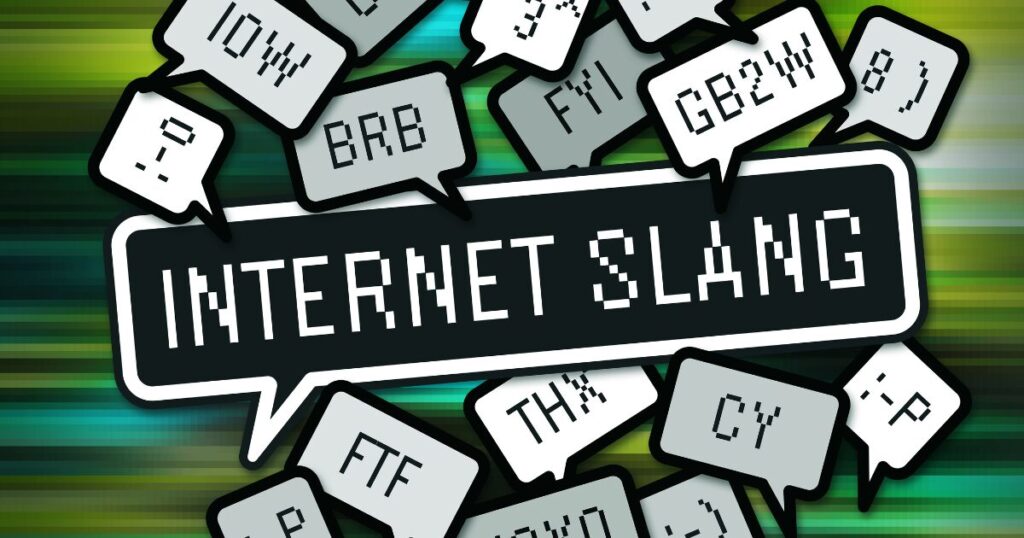
If you’ve spent any time on TikTok, Twitter, or Instagram lately, you’ve probably seen someone describe themselves as “down bad” — usually with a laughing emoji and a screenshot of a regrettable text message. The down bad meaning has evolved from niche hip-hop slang into mainstream internet vocabulary, typically describing someone who’s desperately attracted to another person or behaving in ways that compromise their dignity. While the phrase often appears in humorous contexts, understanding the term down bad reveals something deeper about how younger generations discuss emotional vulnerability, relationship struggles, and mental health challenges through the lens of self-deprecating humor. What starts as a joke about texting an ex at 2 AM can sometimes mask genuine patterns of anxiety, low self-esteem, or unhealthy attachment styles that deserve more serious attention.
The cultural significance of the term down bad extends beyond simple slang translation. When someone publicly declares they’re “down bad,” they’re participating in a broader conversation about desperation, boundaries, and self-worth. This linguistic shift reflects changing attitudes toward vulnerability and mental health, particularly among Gen Z and younger millennials who’ve normalized discussing personal struggles through memes and viral content. However, mental health professionals recognize that the line between lighthearted self-mockery and genuine emotional distress isn’t always clear. Understanding the down bad meaning through examples in context helps distinguish between typical relationship awkwardness and behavioral patterns that might benefit from professional support, especially when the humor consistently masks feelings of worthlessness or compulsive behaviors that interfere with daily functioning.
What Does Down Bad Really Mean? Origins and Modern Usage
The meaning of the term down bad traces its roots to hip-hop culture, where “down” has long signified loyalty or commitment, but the phrase “down bad” emerged in the 2010s, describing desperate or unfortunate situations. Early usage focused on financial struggles or general life difficulties, but the meaning evolved significantly as it migrated to social media platforms around 2019-2020. What does it mean when someone is down bad in today’s context? Usually, it refers to romantic or sexual desperation — someone so attracted to another person that they’re willing to embarrass themselves, ignore red flags, or compromise their self-respect to gain attention or affection. The down bad urban dictionary meaning captures someone “so desperate for a romantic partner that they’ll do anything” or “acting thirsty and pathetic over someone who doesn’t want them.”
Modern understanding of the term down bad exists on a spectrum from playful self-awareness to genuinely concerning behavior patterns. Down bad examples include sending multiple unanswered messages, driving past someone’s house hoping to “accidentally” run into them, accepting breadcrumbing behavior where someone gives just enough attention to keep you hooked, or creating fake social media accounts to check on an ex. Someone might jokingly call themselves down bad after liking all of their crush’s Instagram posts from three years ago, acknowledging the slightly embarrassing behavior while maintaining perspective. More seriously, down bad describes people who repeatedly text someone who’s clearly not interested or tolerate disrespectful treatment because they’re so fixated on one person. The phrase has become so ubiquitous that people now use it to describe any situation involving excessive neediness, whether that’s obsessing over a celebrity, desperately wanting validation from social media, or feeling emotionally dependent on someone who treats them poorly.
Signs You’re Down Bad: When the Down Bad Meaning Goes Beyond Humor
Self-deprecating humor serves important psychological functions — it can build social connections, defuse tension, and help people cope with uncomfortable feelings by gaining distance from them through laughter. When someone posts “I’m so down bad I just liked a text from three months ago” with crying-laughing emojis, they’re acknowledging awkward behavior while signaling they recognize it’s not ideal. This type of humor becomes concerning when it’s the only way someone discusses genuine emotional pain, or when “down bad” behind the “joke” consistently describes patterns that interfere with their well-being. Mental health professionals recognize that Gen Z’s tendency to discuss serious issues through memes and slang can both normalize important conversations and sometimes prevent people from recognizing when they need actual support rather than just commiseration in the comments. The meaning of down bad can serve as both a coping mechanism and a barrier to genuine self-reflection, depending on how it’s used.
Understanding signs you’re down bad requires distinguishing between occasional awkwardness and persistent behavioral patterns that suggest underlying mental health concerns. The difference isn’t always obvious because the same language describes both scenarios, but frequency, intensity, and impact on daily functioning provide important clues. Someone who occasionally feels anxious about whether their crush likes them back is experiencing normal relationship uncertainty, while someone whose entire emotional state depends on whether that person viewed their Instagram story might be dealing with anxiety, attachment issues, or self-esteem problems that extend beyond this specific situation. When being down bad applies to behavior that becomes compulsive, repeatedly violates your own boundaries, or consistently leaves you feeling worse about yourself, it’s worth examining what emotional needs you’re trying to meet and whether healthier strategies might serve you better.
- Compulsive checking behaviors: Constantly refreshing someone’s social media, checking if they’re online, or analyzing every post for hidden meanings about you consumes significant mental energy and creates anxiety cycles.
- Ignoring clear boundaries: Continuing to reach out after someone has directly or indirectly indicated they’re not interested, or justifying why “this time is different” when the pattern keeps repeating.
- Sacrificing self-respect repeatedly: Accepting treatment you know is wrong, making excuses for someone’s behavior, or tolerating disrespect because you’re afraid of losing their attention entirely.
- Social withdrawal masked by memes: Spending excessive time alone, obsessing over one person while posting jokes about being down bad, rather than engaging with friends or activities you used to enjoy.
- Using humor to deflect serious conversations: Consistently responding to friends’ genuine concern with “lol I’m just down bad” instead of acknowledging that the situation is affecting your mental health.
- Persistent feelings of worthlessness: Believing you need this specific person’s validation to feel okay about yourself, or that you’re fundamentally unlovable if they don’t want you, extending beyond normal disappointment into deeper self-esteem issues.
| Behavior Type | Normal/Healthy | Down Bad Pattern |
|---|---|---|
| Texting frequency | Respects response times and conversation flow | Sends multiple messages when ignored, double or triple-texting |
| Social media checking | Occasional curiosity about someone’s posts | Compulsive monitoring multiple times per hour, analyzing every story |
| Boundary respect | Accepts “no” gracefully and moves forward | Finds excuses to re-engage after rejection or being left on read |
| Self-worth source | Internal validation and diverse relationships | Depends entirely on one person’s attention for emotional stability |
Down Bad vs Down Horrendous: The Slang Spectrum Explained
Why do people say down bad? The internet’s tendency toward linguistic escalation has created a hierarchy of desperation descriptors, with down bad representing the baseline and down bad vs down horrendous representing different intensity levels of the same basic concept. “Down bad” describes standard desperate behavior — texting an ex you know you shouldn’t contact, or being obviously too eager with someone new. “Down horrendous” escalates the concept to truly cringeworthy territory, describing behavior so desperate it’s almost impressive in its lack of self-awareness. Someone might be “down horrendous” if they’re commenting heart emojis on every single post from someone who’s never responded to them, or if they’ve created elaborate justifications for why their crush’s clear rejection was actually a sign of interest. These escalating terms provide social media users with precise language to calibrate exactly how desperate someone’s behavior has become, creating a shared vocabulary for discussing relationship dysfunction.

Understanding the meaning of down bad, along with its more extreme variations, reveals several purposes in online communication — it provides precise calibration for describing different levels of desperate behavior, creates humor through exaggeration, and paradoxically allows people to discuss serious emotional struggles while maintaining emotional distance through absurdity. When someone describes themselves using these escalating terms, they’re acknowledging behavior so extreme that the only response is to laugh at themselves, which can be healthier than pretending everything’s fine. However, mental health professionals note that this linguistic escalation can also normalize increasingly unhealthy patterns, making it harder to recognize when someone has crossed from relatable awkwardness into genuinely problematic behavior. The same culture that makes it easier to joke about being down bad can sometimes make it harder to admit when you’re actually struggling with anxiety, depression, or attachment issues that would benefit from professional support rather than just more creative slang terms.
| Term | Intensity Level | Example Behavior |
|---|---|---|
| Down Bad | Moderate desperation | Texting an ex late at night or overanalyzing every interaction |
| Down Horrendous | Severe desperation | Creating fake accounts to check on someone or excessive commenting |
| Down Catastrophic | Extreme desperation | Behavior that violates clear boundaries or affects daily functioning |
Finding Support at Treat Mental Health Tennessee
Understanding the meaning of down bad includes recognizing when the behavior pattern reflects more than just awkward dating experiences or temporary infatuation. Mental health professionals see clear connections between what people jokingly describe as being “down bad” and clinical presentations of anxiety disorders, depression, attachment trauma, and low self-esteem. When someone feels they absolutely need another person’s validation to feel okay about themselves, that’s not just being down bad in a relationship — it’s often anxious attachment style stemming from earlier experiences. When someone compulsively checks their phone waiting for a response, experiencing genuine distress during the waiting period, that’s anxiety manifesting through relationship behavior. When someone tolerates disrespectful treatment because they believe they don’t deserve better, that’s depression and self-worth issues wearing the mask of romantic interest. The meaning of down bad in these contexts points to underlying mental health concerns that deserve serious attention, even when they’re initially expressed through humor and internet slang.
How to stop being down bad often requires more than just willpower or deciding to “have more self-respect” — it involves addressing the emotional needs and thought patterns driving the desperate behavior in the first place. Therapy helps people understand why they’re seeking validation externally rather than building it internally, identify the specific fears that fuel compulsive relationship behaviors, and develop healthier coping strategies when those fears arise. Learning how to stop being down bad through professional support provides tools for managing anxiety, building genuine self-esteem, and forming secure attachment patterns. Culturally-informed mental health treatment recognizes that younger adults often discuss serious struggles through humor and slang, meeting clients where they are linguistically while helping them develop deeper emotional awareness. Treat Mental Health Tennessee provides comprehensive behavioral health services specifically designed for young adults, offering individual therapy, group support, and evidence-based treatment approaches that address anxiety, depression, and relationship patterns in ways that feel relevant to how younger generations actually experience and discuss mental health. Whether you’re recognizing concerning patterns in yourself or worried about someone you care about, reaching out to Treat Mental Health Tennessee for a confidential assessment is an important step toward building the self-worth and emotional regulation skills that make healthy relationships possible.
FAQs About Down Bad Meaning
What does it mean when someone says they’re down bad?
Being down bad describes someone who is desperately attracted to another person or behaving in ways that show they’ve lost their dignity or self-respect in pursuit of attention, validation, or a relationship. The term can range from lighthearted self-mockery to describing genuinely concerning obsessive behavior.
Is being down bad the same as having a crush?
Not exactly — having a crush is normal, but being down bad implies you’re acting desperately or compromising your boundaries and self-worth. It suggests behavior that crosses from healthy interest into unhealthy fixation or people-pleasing patterns.
Can saying you’re down bad be a sign of mental health issues?
Sometimes yes — while often used humorously, consistently feeling “down bad” can reflect underlying anxiety, depression, attachment issues, or low self-esteem. If the feelings persist or affect your daily functioning, it’s worth talking to a mental health professional about the down bad behind your behavior.
What’s the difference between down bad and down horrendous?
“Down horrendous” is an intensified version of “down bad”, describing someone who is even more desperately behaving in cringeworthy ways. It’s the next level up on the spectrum of desperate behavior, often used when someone’s actions are particularly embarrassing or boundary-crossing.
How do I stop being down bad over someone?
Focus on rebuilding self-worth through activities you enjoy, reconnect with friends and hobbies outside the obsession, set firm boundaries about contact, and consider talking to a therapist if the patterns persist. Healthy relationships start with healthy self-esteem, not desperation.


