 Skip to content




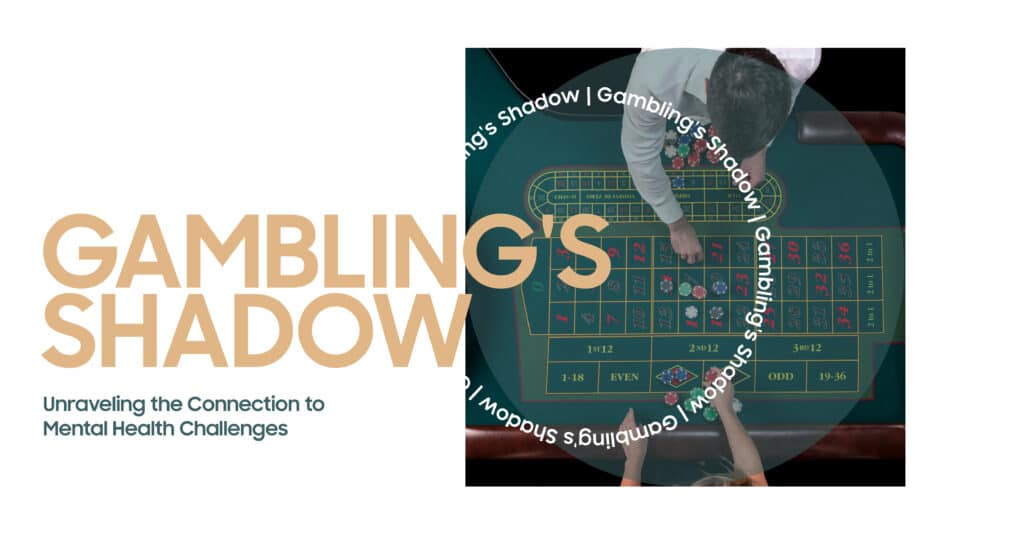
Gambling and mental illness have long been connected, though the relationship between them is often overlooked. Many individuals who struggle with problem gambling also experience mental health challenges such as anxiety, depression, and stress. The combination of compulsive behavior related to gambling and the psychological impact can create a complex cycle that is difficult to break. Understanding how gambling and mental illness are intertwined is key to finding the proper support and treatment. In this article, we’ll explore the signs of problem gambling, the connection between gambling and mental illness, and how seeking professional therapy can help in addiction recovery.
Recognizing the Signs of Problem Gambling
Problem gambling can often go unnoticed for a long time, as individuals may attempt to hide their behaviors or deny their severity. Recognizing the signs early can help prevent further emotional and psychological distress. Common signs of problem gambling include:
- Preoccupation with Gambling. Constant thoughts about gambling, even when not actively involved in it.
- Chasing Losses. Attempting to recover lost money by continuing to gamble leads to deeper financial issues.
- Neglecting Responsibilities. Failure to fulfill work, family, or social obligations due to gambling behavior.
- Increasing Stakes. They must gamble larger amounts to achieve the same excitement or satisfaction.
- Guilt and Shame. Feeling remorseful or ashamed after gambling, but continuing the behavior regardless.
If these signs are left unaddressed, problem gambling can lead to severe emotional, financial, and social consequences. Recognizing these signs early on is crucial for taking the first step toward healing.
The Connection Between Gambling and Mental Illness
The relationship between gambling and mental illness is complex. Many individuals with gambling disorders also suffer from co-occurring mental health issues, such as depression, anxiety, or stress. This link is due to several factors, including the psychological relief that gambling offers for managing negative emotions. Gambling may serve as a form of emotional escapism for those dealing with mental distress.
Gambling may lead to:
- Increased Anxiety. The constant worry about losses and financial stability can escalate feelings of anxiety.
- Depression. The financial strain and emotional toll of gambling can lead to or worsen depressive symptoms.
- Stress. Stress from gambling-related problems, such as debt or relationship issues, can further impact mental health.
Understanding how gambling contributes to or exacerbates these mental health issues is key in developing an effective treatment plan for recovery.
Compulsive Gambling: A Behavioral Addiction
Compulsive gambling is recognized as a behavioral addiction, much like other forms of addiction, such as substance abuse. This type of addiction involves uncontrollable urges to gamble, despite harmful consequences. Compulsive gambling can severely affect a person’s emotional and psychological well-being.
Some characteristics of compulsive gambling include:
- Loss of Control. The inability to control the urge to gamble, even when it causes personal harm.
- Escalating Consequences. The worsening of gambling behavior leads to financial difficulties, relationship problems, and emotional distress.
- Psychological Dependence. An overwhelming psychological urge to gamble, even when one understands the potential adverse outcomes.
Recognizing compulsive gambling as a behavioral addiction is crucial in developing effective therapy and addiction recovery strategies. Addressing this addiction with professional support can help individuals regain control over their lives.
Emotional Distress in Gambling Disorder
Emotional distress is one of the most significant impacts of gambling disorder. The anxiety, depression, and feelings of guilt that often accompany gambling can create a vicious cycle of emotional suffering. The following emotional challenges are commonly faced by those struggling with gambling disorders:
- Feelings of Worthlessness. The shame and guilt of gambling can lead to negative self-perception and low self-esteem.
- Relationship Strain. Emotional distress from gambling-related issues can damage relationships with family, friends, and colleagues.
- Financial Stress. The accumulation of gambling-related debt can cause ongoing financial worry, contributing to feelings of hopelessness.
Therapy and support are crucial in helping individuals break free from the cycle of emotional distress caused by gambling and mental illness. The healing process often involves addressing both the addiction and the underlying mental health concerns.
Therapy and Support for Gambling Addiction
Therapy plays a critical role in helping individuals recover from gambling addiction. Several types of treatment can be beneficial for those struggling with gambling and mental illness:
- Cognitive Behavioral Therapy (CBT). CBT helps individuals identify and change harmful thought patterns that lead to compulsive gambling behaviors.
- Group Therapy. Group sessions provide a supportive environment where individuals can share experiences and receive guidance from others facing similar challenges.
- Individual Counseling. One-on-one therapy with a licensed counselor allows personalized treatment focused on the individual’s needs.
In addition to therapy, mental wellness support services such as stress management, mindfulness techniques, and relaxation exercises can also help individuals cope with the emotional distress associated with gambling addiction.
The Role of Mental Health Support in Recovery
Mental health support plays an essential role in addiction recovery, particularly for individuals dealing with gambling-related issues. Support services can address both the addiction and the mental health challenges that often accompany it.
Recovery support includes:
- Building Emotional Resilience. Developing the emotional tools to cope with stress and anxiety without turning to gambling.
- Improving Mental Well-Being. Therapy that promotes emotional healing and enhances self-esteem.
- Strengthening Relationships. Couples and family therapy can help rebuild damaged relationships caused by gambling behavior.
By receiving comprehensive mental health support, individuals can gain the tools and strategies needed to overcome their addiction and regain control over their lives.
Understanding Gambling Addiction and Its Psychological Impact
To better understand the various aspects of gambling addiction, including its psychological effects and the types of therapy that can help, refer to the following table. It summarizes key components of gambling disorder and outlines practical therapeutic approaches to address both the addiction and its emotional consequences.
| Aspect | Description | Therapy Approach |
| Gambling Addiction | A compulsive urge to gamble despite adverse consequences. | Cognitive Behavioral Therapy (CBT), Group Therapy, and Counseling. |
| Psychological Effects | Anxiety, depression, guilt, and emotional distress from gambling behavior. | Mindfulness-Based Stress Reduction (MBSR), CBT, and emotional support. |
| Compulsive Behavior | Loss of control over gambling activities. | Individual Therapy, Family Therapy, Behavioral Therapy. |
| Financial Strain | Debt accumulation and financial instability due to gambling. | Financial Counseling, Debt Management, Therapy for Behavioral Addiction. |
| Emotional Distress | Shame, guilt, and low self-esteem are tied to gambling behavior. | Self-esteem building therapy, Cognitive Behavioral Therapy (CBT). |
Addressing the Psychological Impact of Gambling
The psychological impact of gambling is significant, and addressing it is essential for long-term recovery. Gambling can lead to severe emotional distress, anxiety, depression, and self-destructive behavior. To address these psychological effects, it’s necessary to:
- Acknowledge the Emotional Toll. Recognizing the psychological strain caused by gambling is the first step toward healing.
- Seek Specialized Therapy. Gambling therapy, such as CBT or mindfulness-based therapies, can help individuals manage their mental health.
- Create a Supportive Environment. Building a support system of family, friends, and counselors can help maintain recovery.
By addressing both the addiction and its psychological consequences, individuals are better equipped to lead healthier, more fulfilling lives.
Regain Control—Start Your Gambling Recovery Journey with Treat Mental Health Tennessee
If you or someone you know is struggling with gambling and mental illness, professional help is available. At Treat Mental Health Tennessee, we specialize in addiction recovery, offering personalized therapy services to help individuals overcome gambling addiction and the associated emotional distress. Our team of experienced counselors is here to guide you through the recovery process, offering support for both mental health and behavioral addiction.
Take the first step toward healing—visit Treat Mental Health Tennessee and begin your journey to recovery today.

FAQs
- What are the key signs of problem gambling and its psychological impact on mental health?
Problem gambling can involve excessive betting, emotional distress, and neglect of responsibilities. It negatively impacts mental well-being, causing depression and anxiety. Identifying these signs early is crucial for seeking adequate support and intervention.
- How does compulsive gambling manifest as a behavioral addiction and contribute to emotional distress?
Compulsive gambling is characterized by uncontrollable urges to gamble, leading to significant emotional distress. This addiction often results in guilt, anxiety, and financial strain. Addressing this addiction requires therapy and mental health support to break the cycle.
- What is the connection between gambling and mental illness, and how can therapy and support aid in addiction recovery?
Gambling often exacerbates mental health issues like depression and anxiety. Therapy, such as CBT, helps individuals cope with emotional distress while recovering. Support groups and mental health professionals guide individuals through the recovery process.
- How can individuals seek mental health support to address the psychological impact of gambling and promote recovery?
Seeking therapy from licensed counselors or psychologists specializing in addiction is key. Support groups and mindfulness practices can also aid in managing emotional distress. Mental health support promotes overall well-being and enhances recovery success.
- What role does gambling therapy play in reducing emotional distress and providing practical support for compulsive behavior?
Gambling therapy helps individuals address the underlying psychological causes of compulsive behavior. Therapies like CBT teach coping mechanisms for managing urges and emotional triggers. Long-term support improves emotional resilience and reduces distress.


