Skip to content






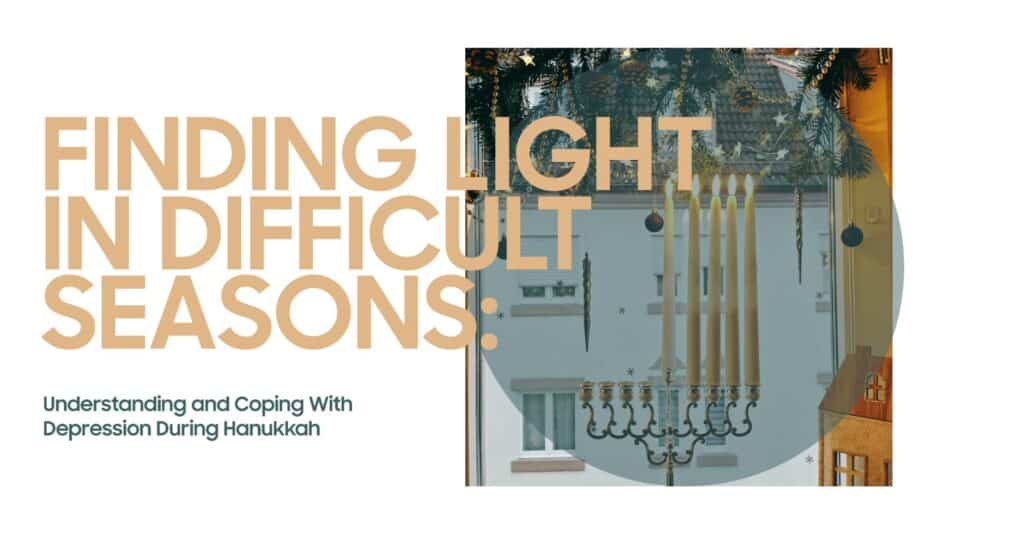
Hanukkah is celebrated as a festival of light, resilience, and connection – a holiday filled with warmth, candlelight, and shared traditions. But for many individuals, this season also heightens experiences of sadness, exhaustion, grief, and isolation. Depression during Hanukkah is far more common than most people realize, and it can be especially challenging when surrounded by cultural expectations of joy and togetherness.
The contrast between what the holiday “should” feel like and what someone is actually experiencing can create additional pressure and shame. Add winter’s darker days, seasonal affective disorder, family expectations, and personal losses, and the emotional weight quickly intensifies. Depression during Hanukkah does not reflect a lack of gratitude or spiritual connection – it is a real mental health experience shaped by internal and external stressors.
This guide explores the many layers of holiday mental health, including Hanukkah loneliness, holiday grief, winter blues, Jewish mental health needs, and how individuals can care for themselves during the season. Through supportive strategies, grounded reflection, and connection to community, healing and light are still possible – one candle at a time.
Understanding Why Depression During Hanukkah Happens
Depression around holiday seasons has both emotional and environmental components. Hanukkah falls during winter, when daylight is shorter and seasonal affective disorder becomes more common. Additionally, the holiday’s emphasis on family, warmth, and miracles can emotionally intensify the absence of these experiences.
Common triggers of depression during Hanukkah include:
- Seasonal affective disorder, caused by reduced sunlight exposure
- Hanukkah loneliness, especially for those far from family or community
- Holiday grief related to loved ones who have passed away
- Family expectations that feel overwhelming or stressful
- Financial pressure, such as gifting or hosting obligations
- Internal pressure to “feel festive” even when struggling mentally
- Changes in routine, including disrupted sleep or travel
- Winter blues that magnify sadness and low energy
Understanding the roots of emotional distress helps normalize the experience and empowers individuals to pursue appropriate support.
The Role of Seasonal Affective Disorder in Hanukkah Depression
Seasonal affective disorder, often abbreviated as SAD, is a major contributor to depression during Hanukkah. It occurs when a lack of sunlight affects serotonin levels, sleep cycles, and mood regulation.
Common signs of seasonal affective disorder include:
- Low mood or persistent sadness
- Difficulty waking up in the morning
- Increased fatigue or irritability
- Loss of interest in activities
- Cravings for carbohydrates
- Sleep pattern changes
- Difficulty concentrating
- Social withdrawal
Because Hanukkah takes place during winter’s darkest weeks, SAD symptoms often intersect with holiday stress. Below is a table summarizing the overlap.
Overlap Between Hanukkah Depression and Seasonal Affective Disorder
| Factor | Impact During Hanukkah | Emotional Result |
| Reduced sunlight | Disrupts circadian rhythm | Fatigue, low mood |
| Cold weather | Less time outdoors | Increased isolation |
| Holiday expectations | Pressure to be joyful | Emotional exhaustion |
| Grief triggers | Memories of loved ones | Heightened sadness |
| Community gatherings | Overstimulation or loneliness | Anxiety or disconnection |
Recognizing the role of SAD allows individuals to pursue interventions such as light therapy, outdoor walks, and consistent sleep routines.
Hanukkah Loneliness: When Isolation Feels Heavier
Despite the holiday’s focus on community and togetherness, many people experience deep loneliness during Hanukkah. This loneliness can be physical, such as living far from family, or emotional, such as being surrounded by others but feeling disconnected.
Causes of Hanukkah loneliness include:
- Spending the holiday alone
- Lack of a local Jewish community
- Strained or distant family relationships
- Grief that separates someone emotionally from gatherings
- Feeling misunderstood or unsupported
- Social anxiety or depression is limiting participation
Ways to cope with Hanukkah loneliness:
- Participate in virtual candle lighting or online Jewish gatherings
- Attend community events at synagogues or Jewish centers
- Create small traditions for yourself at home
- Reach out to friends or chosen family
- Volunteer, which naturally builds a connection
- Allow yourself to feel the sadness without judgment
Loneliness is not an indication of failure; it is an emotional experience that can be eased with compassionate self-support and community engagement.
Holiday Grief During Hanukkah: Honoring Loss With Light
Hanukkah often evokes memories of loved ones who are no longer present. Holiday grief can intensify when traditions, songs, and rituals highlight their absence.
Healthy ways to honor grief during Hanukkah include:
- Lighting a candle in memory of someone
- Sharing stories about loved ones
- Preparing their favorite foods
- Creating a new tradition that acknowledges both love and loss
- Writing a letter to the person you miss
- Allowing yourself permission to cry or rest during difficult moments
Below is a table summarizing common grief experiences and supportive coping tools.
Grief Experiences During Hanukkah and Helpful Rituals
| Grief Experience | Emotional Effects | Supportive Ritual |
| Missing a loved one | Sadness, longing | Light a candle in their honor |
| Triggered memories | Emotional overwhelm | Share stories or photographs |
| Feeling disconnected | Numbness | Participate in meaningful rituals |
| Holiday pressure | Anxiety, guilt | Simplify traditions |
| Family shifts | Confusion or tension | Create new customs |
Grief is a form of love that continues to exist, even when traditions change.
Managing Family Expectations During Hanukkah
Family expectations can heighten stress during the holiday season. Some individuals feel pressure to host, attend multiple gatherings, or maintain traditions that no longer feel emotionally sustainable.
Strategies for managing family expectations:
- Set realistic boundaries about what you can attend
- Communicate openly about emotional needs
- Plan breaks during gatherings to avoid overstimulation
- Simplify holiday events rather than overcommitting
- Delegate responsibilities to reduce burnout
- Release perfectionism and focus on meaning instead
Clear communication helps reduce misunderstandings and preserves emotional energy.
Practical Ways to Cope With Winter Blues During Hanukkah
Winter blues can intensify emotional heaviness during Hanukkah. These feelings often stem from environmental and biological changes rather than personal failings.
Helpful strategies for winter emotional support include:
- Light therapy to improve mood and regulate circadian rhythms
- Consistent sleep schedule, even on holidays
- Daily movement, such as stretching or walking
- Warm, comforting routines like tea or candles
- Mindfulness practices to regulate anxiety
- Nourishing meals that support steady energy
- Limiting social obligations when needed
These small practices build emotional resilience throughout the season.
Jewish Mental Health and the Importance of Cultural Awareness
Mental health experiences don’t exist separately from cultural identity. Jewish mental health care involves understanding the emotional impact of rituals, holidays, generational trauma, and communal expectations.
Elements of culturally informed Jewish mental health care include:
- Recognizing the emotional weight of holidays
- Understanding intergenerational trauma
- Navigating religious or spiritual expectations
- Balancing tradition with personal needs
- Accessing culturally sensitive therapists
- Supporting connection to the community
Culturally aware support helps individuals feel seen, understood, and supported during emotionally difficult seasons.
The Power of Community Support During Hanukkah
Community support is one of the strongest protective factors for depression during Hanukkah. Connection does not always require large gatherings; even small moments of shared humanity can make a significant difference.
Types of community support that help during Hanukkah:
- Synagogue programs and candlelighting events
- Jewish community centers and cultural gatherings
- Online Jewish support groups and holiday circles
- Volunteer opportunities that build connection
- Chavurah groups or small holiday meetups
- Faith-based mental health resources
Community support can help individuals navigate loneliness, grief, or emotional overwhelm with greater resilience.
Lighting the Way Toward Healing: Connect With Treat Mental Health Tennessee
If you are experiencing depression during Hanukkah, know that your feelings are valid, and support is available. With compassion, cultural understanding, and meaningful therapeutic care, you can navigate this season with greater grounding and emotional balance.
Reach out to Treat Mental Health Tennessee to explore personalized therapy options, grief support, and mental health guidance rooted in empathy and cultural awareness.
FAQs
1. What are common triggers of depression during Hanukkah, and how is it linked to seasonal affective disorder?
Common triggers include loneliness, grief, family pressure, financial stress, and the contrast between expected joy and personal reality. Seasonal affective disorder amplifies these feelings due to reduced sunlight and disrupted circadian rhythms. Many individuals experience intensified sadness or fatigue during the winter months, especially around holidays.
2. How can Jewish individuals cope with Hanukkah loneliness and holiday grief while maintaining mental health?
Coping strategies include connecting with community events, joining virtual candlelightings, creating personal rituals, and honoring loved ones through memory-based traditions. Reaching out to friends or support groups also helps reduce isolation. Allowing yourself to feel grief without judgment is an important step toward healing.
3. What strategies can help manage family expectations and set boundaries during Hanukkah celebrations?
Setting boundaries includes simplifying commitments, communicating emotional needs, and choosing activities that feel sustainable. Giving yourself permission to say no or leave early can protect mental health. Clear communication reduces misunderstandings and helps maintain healthier relationships.
4. What practical approaches can alleviate winter blues and improve mental well-being during the holiday season?
Light therapy, consistent sleep, movement, mindfulness, and warm, comforting routines all help regulate mood. Limiting overwhelming responsibilities and prioritizing rest provide additional support. These small, consistent habits create emotional stability throughout the winter.
5. How can community support and faith-based resources assist in fostering connection during Hanukkah?
Community support offers belonging, understanding, and shared ritual – powerful antidotes to loneliness. Synagogues, Jewish community centers, chavurah groups, and online gatherings provide emotional warmth and cultural connection. Faith-based resources also help individuals explore meaning, resilience, and spiritual grounding during difficult seasons.