Skip to content







Tears can arrive without warning—during a meeting, while making dinner, or in the middle of a conversation that shouldn’t feel overwhelming. When crying becomes frequent, intense, or impossible to control, it often signals that your emotional system is overloaded. Many people experience periods where they feel like “I can’t stop crying,” and while tears are a natural response to stress, grief, or frustration, persistent crying episodes can indicate that your mind and body need more support than self-care strategies alone can provide. Understanding the difference between healthy emotional release and symptoms requiring professional attention is essential for protecting your mental health and restoring emotional balance.
This article explores the common causes behind uncontrollable crying, the connection between constant crying and mental health conditions, and the specific warning signs that indicate it’s time to seek professional support. For Tennessee residents experiencing emotional overwhelm symptoms, accessible telehealth options make it easier than ever to connect with licensed mental health professionals who can assess underlying causes and develop personalized treatment plans. Whether you find yourself asking, “Why do I cry so easily?” or you’re concerned that your crying has become a pattern affecting your daily life, recognizing when tears signal a deeper issue is the first step toward feeling more grounded and in control.
Common Causes Behind Uncontrollable Crying Episodes
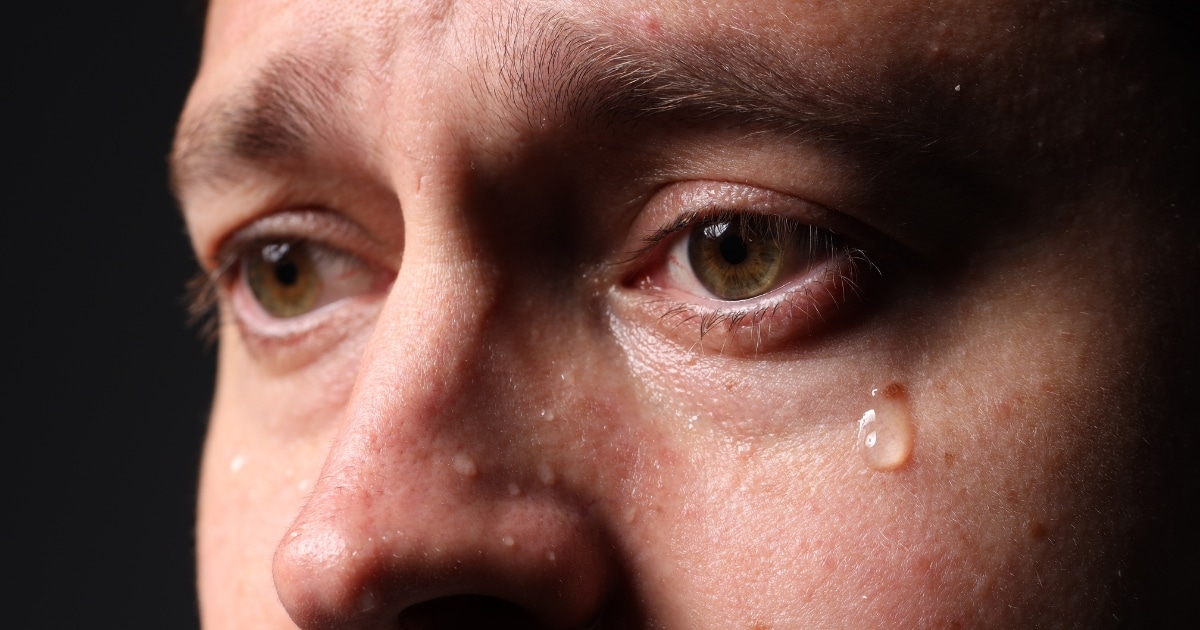
Crying serves as a natural emotional release mechanism, helping your body process stress, disappointment, and accumulated tension. Many people describe feeling like “I can’t stop crying” during these periods, even when they intellectually understand that their reaction seems disproportionate to the situation. The meaning behind sudden crying spells varies widely depending on context. Understanding what causes excessive crying—whether specific loss, chronic stress, or biochemical changes—helps distinguish between situational tears and patterns requiring professional attention. Physiologically, crying can help discharge built-up tension and is often followed by a sense of relief as the nervous system settles. However, when crying becomes frequent or uncontrollable, it often indicates that your emotional regulation system is overwhelmed by chronic stress, unresolved grief, or biochemical changes that affect mood stability.
When you find yourself thinking “I can’t stop crying,” the cause often involves a combination of factors rather than a single isolated trigger. For example, someone managing work stress while also experiencing hormonal changes may find themselves crying over minor frustrations that wouldn’t normally provoke such a strong response. The key distinction lies not in whether you cry, but in how crying affects your ability to function and whether it provides relief or simply leaves you feeling depleted. When tears become a daily occurrence that interferes with work performance, relationships, or self-care, professional support becomes essential.
When Crying Becomes a Pattern Rather Than a Release
The distinction between healthy emotional expression and crying that signals a clinical concern lies in pattern recognition. When crying becomes your primary emotional response to minor frustrations, occurs multiple times daily without clear triggers, or leaves you feeling depleted rather than relieved, your emotional regulation system needs additional support. Tracking frequency, duration, and aftermath helps mental health professionals determine whether tears reflect situational stress or an underlying condition.
The Connection Between Constant Crying and Mental Health Conditions
Uncontrollable crying and depression frequently occur together, as persistent sadness and emotional dysregulation are hallmark symptoms of major depressive disorder. Clinical depression affects neurotransmitter systems that regulate mood, making it difficult to maintain emotional stability even in neutral situations. People with depression often describe feeling like “I can’t stop crying”—the tears feel automatic and disconnected from external circumstances. This type of crying typically doesn’t provide the relief that healthy emotional release offers; instead, it leaves individuals feeling exhausted, hopeless, and increasingly isolated from others who may not understand the depth of their distress.
Anxiety disorders and trauma responses, including PTSD, also manifest through frequent crying and sudden emotional flooding when triggered by reminders of past events. Understanding whether crying stems from situational stress or an underlying condition requires attention to accompanying symptoms and patterns.
- Crying episodes lasting two weeks or longer without clear triggers or emotional relief afterward
- Inability to fulfill responsibilities at work, school, or home due to emotional overwhelm
- Crying accompanied by thoughts of self-harm, suicide, or feeling that life isn’t worth living
- Physical symptoms including chest tightness, panic attacks, severe fatigue, or changes in appetite alongside frequent crying
- Loss of interest in activities, hobbies, or relationships that previously brought satisfaction
- Persistent feelings of worthlessness, guilt, or hopelessness that continue between crying episodes
Recognizing When Crying Requires Professional Mental Health Support
Assessing both the duration and functional impact of your symptoms helps answer a critical question: when to see a therapist for crying. If you’ve been asking yourself “I can’t stop crying—is this normal?” for more than a few days, that question itself suggests it’s time for professional input. If you’ve been experiencing frequent crying episodes for more than two weeks, especially if the crying occurs daily or multiple times per day, professional evaluation can help identify whether an underlying mood disorder or anxiety condition is contributing to your emotional dysregulation. How to know if crying is depression also depends on the presence of other symptoms—if your crying is accompanied by changes in sleep patterns, appetite, energy levels, concentration, or feelings of hopelessness, these clusters suggest clinical depression rather than situational stress. The severity of functional impairment matters as well: when crying prevents you from completing work tasks, maintaining relationships, or caring for yourself, immediate professional support becomes essential.
Is constant crying a mental health issue? The answer depends on context, but persistent crying that doesn’t respond to self-care or worsens over time warrants clinical attention. Tennessee residents experiencing emotional crises have access to multiple support resources, including the 988 Suicide and Crisis Lifeline, which provides immediate assistance for individuals in acute distress. Telehealth mental health services offer particularly valuable support during emotional overwhelm, as you can connect with licensed therapists from home without the additional stress of traveling while distressed.
If you or someone you know is in crisis, call or text 988 to reach the Suicide & Crisis Lifeline, available 24/7.
| Symptom Pattern | Recommended Action |
|---|---|
| Crying episodes lasting less than one week in response to a specific stressor | Monitor symptoms; utilize self-care strategies and social support |
| Frequent crying for two weeks or more without clear improvement | Schedule consultation with mental health professional for assessment |
| Crying with thoughts of self-harm or suicide | Contact 988 Suicide and Crisis Lifeline or go to nearest emergency room immediately |
| Crying that interferes with work, relationships, or daily functioning | Seek same-week appointment with therapist or psychiatrist for evaluation |
Evidence-Based Treatment Approaches
Treatment for uncontrollable crying addresses the underlying condition rather than the crying itself. Cognitive-behavioral therapy helps individuals identify thought patterns contributing to emotional dysregulation while building practical skills for managing intense emotions. Dialectical behavior therapy offers specific techniques for distress tolerance and emotion regulation, particularly helpful for sudden emotional flooding. When crying relates to clinical depression or anxiety disorders, medication management may be recommended alongside therapy to address neurochemical imbalances.
| Treatment Approach | Primary Focus | Best For |
|---|---|---|
| Cognitive-Behavioral Therapy | Identifying and changing thought patterns contributing to emotional dysregulation | Depression, anxiety, stress-related crying |
| Dialectical Behavior Therapy | Building distress tolerance and emotion regulation skills | Intense emotional reactivity, borderline personality disorder |
| Medication Management | Addressing neurochemical imbalances affecting mood | Clinical depression, anxiety disorders, bipolar disorder |

Your Tears Don’t Have to Fall Alone at Treat Mental Health Tennessee
Reaching out for professional support when you feel like “I can’t stop crying” represents strength and self-awareness, not weakness. Treat Mental Health Tennessee provides compassionate, evidence-based mental health care through accessible telehealth services—whether you’re experiencing your first episode of emotional overwhelm or managing ongoing symptoms. Our licensed therapists understand that uncontrollable crying often signals underlying conditions that respond well to treatment. If your tears have become a daily burden or interfere with work or relationships, schedule a confidential consultation to explore how professional treatment can help you regain emotional stability.
FAQs
Below are answers to common questions about uncontrollable crying and when to seek professional support.
1. Is crying every day a sign of depression?
Crying daily for more than two weeks, especially without clear triggers or relief afterward, can indicate clinical depression rather than normal emotional processing. If daily crying interferes with your ability to work, maintain relationships, or care for yourself, professional evaluation is recommended.
2. Why do I cry so easily over small things?
Heightened emotional sensitivity can result from stress accumulation, hormonal changes, anxiety disorders, or underlying depression that lowers your emotional threshold. When minor frustrations trigger intense crying, it often signals that your nervous system is overwhelmed and may benefit from professional support.
3. What’s the difference between healthy crying and crying that needs treatment?
Healthy crying provides emotional release and relief, occurs in response to identifiable triggers, and doesn’t significantly impair daily functioning. Crying that requires treatment is persistent, occurs without clear cause, provides no relief, or comes with other symptoms like hopelessness, sleep changes, or thoughts of self-harm.
4. Can online therapy help if I can’t stop crying?
Virtual therapy provides immediate access to licensed professionals who can assess underlying causes and develop treatment plans tailored to your needs. Telehealth is especially beneficial during emotional crises because you can access support from home without the barrier of traveling while distressed.
5. When should I go to the emergency room for uncontrollable crying?
Seek emergency care if crying is accompanied by thoughts of suicide or self-harm, severe panic attacks, inability to care for yourself, or complete emotional breakdown. Tennessee residents can also contact mobile crisis teams or the 988 Suicide and Crisis Lifeline for immediate mental health support without going to the emergency room.