Skip to content




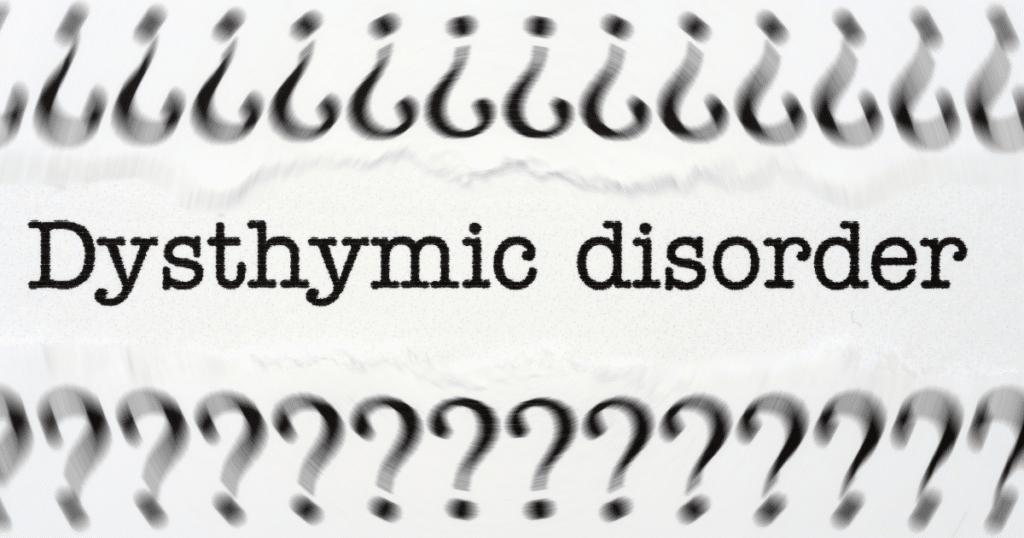
You wake up, go to work, maintain your relationships, and check off your daily responsibilities. From the outside, your life looks functional—maybe even successful. But inside, there’s a persistent heaviness that never quite lifts, and you can’t remember the last time you felt genuinely happy or excited about anything. This condition, dysthymia, is a form of chronic depression that keeps you moving through life while quietly draining the color from your experiences. Unlike the dramatic lows of major depression, dysthymia operates in the shadows, making it easy to dismiss as “just how I am” rather than recognizing it as a treatable mental health condition.
Dysthymia, clinically known as persistent depressive disorder, is a chronic form of depression characterized by a low mood that persists for at least two years in adults. People with dysthymia often function well enough to avoid hospitalization or crisis intervention, which paradoxically makes it harder to identify and treat. The symptoms become so normalized that sufferers may not realize their baseline mood is significantly lower than what healthy functioning should feel like. Understanding how dysthymia differs from major depression in both intensity and duration is essential for recognizing when chronic low mood has crossed the line from temporary difficulty into a persistent condition requiring professional treatment. This distinction matters because persistent depressive disorder responds well to evidence-based interventions, yet many people suffer for years without seeking help.
What Persistent Depressive Disorder Actually Feels Like
Living with dysthymia means waking up most days with a sense of emotional flatness that colors everything you do. There’s no dramatic crying spell or inability to get out of bed—instead, you experience a persistent low-grade sadness, fatigue, and diminished interest in activities that used to bring pleasure. These activities feel like obligations rather than sources of satisfaction. The fatigue isn’t always physical exhaustion; it’s more like an emotional weariness that makes everything require extra effort. Many people wonder how long dysthymia lasts—the answer is that without treatment, it persists indefinitely, often for decades.
The insidious nature of dysthymia lies in how easily it masquerades as personality rather than pathology. People often conclude they’re just pessimistic, introverted, or naturally low-energy rather than recognizing they have a treatable mental health disorder. Friends and family may describe them as “always a bit down” or “never really excited about anything,” reinforcing the false belief that this is simply their temperament. The dysthymia diagnosis criteria in the DSM-5 require a depressed mood for most of the day, more days than not, for at least two years in adults. During this period, at least two additional symptoms must be present: poor appetite or overeating, insomnia or hypersomnia, low energy or fatigue, low self-esteem, poor concentration or difficulty making decisions, and feelings of hopelessness.
How Dysthymia Differs From Major Depression and Why Duration Matters
The primary distinction between dysthymia and major depression lies in the trade-off between intensity and duration. Major depressive disorder typically involves severe episodes where symptoms significantly impair functioning—people may be unable to work, struggle with basic self-care, or experience suicidal thoughts during acute phases. These episodes are intense but often time-limited, with many people experiencing periods of remission between episodes. Dysthymia, by contrast, presents with milder symptoms that don’t necessarily prevent daily functioning but persist relentlessly for years. The chronicity of chronic low mood means that sufferers rarely experience what healthy mood feels like, making it difficult to recognize their baseline as abnormal.
A particularly challenging scenario occurs when someone with dysthymia experiences a major depressive episode on top of their chronic baseline, a condition clinicians call “double depression.” This layering of depressive conditions significantly increases suicide risk and affects treatment response and recovery timelines. While major depression may respond relatively quickly to intervention, dysthymia often requires longer treatment duration and combination approaches. Understanding these differences helps explain why someone might function adequately for years while still suffering from a serious mood disorder that deserves professional attention.
- Symptom intensity: Major depression involves severe symptoms that significantly impair functioning, while dysthymia presents with milder but persistent symptoms that allow continued functioning at a reduced capacity.
- Episode patterns: Major depression occurs in distinct episodes with potential remission periods between them, whereas dysthymia is continuous with symptoms present most days for years without clear breaks.
- Functional impairment: Major depression often prevents work, self-care, and social engagement during acute episodes, while dysthymia allows basic functioning but with diminished quality of life and reduced satisfaction across all domains.
- Treatment response: Major depression may respond to treatment within 6-8 weeks, while dysthymia typically requires 6-12 months of consistent intervention to achieve significant improvement or remission.
| Feature | Dysthymia (Persistent Depressive Disorder) | Major Depressive Disorder |
|---|---|---|
| Duration Requirement | At least 2 years of persistent symptoms | At least 2 weeks of acute symptoms |
| Symptom Severity | Mild to moderate, chronic low mood | Moderate to severe, episodic intensity |
| Daily Functioning | Usually maintained but with reduced quality | Often significantly impaired during episodes |
| Pattern | Continuous, most days without clear breaks | Episodic with potential remission periods |
| Recognition | Often normalized as personality trait | More likely recognized due to acute severity |
What Causes Persistent Depressive Disorder and Who’s at Risk
The development of dysthymia involves a complex interaction of biological, psychological, and environmental factors that create vulnerability to chronic low mood. From a neurobiological perspective, research indicates that people with dysthymia show differences in brain chemistry involving serotonin, norepinephrine, and dopamine—neurotransmitters that regulate mood, motivation, and pleasure response. Genetic predisposition plays a significant role, with dysthymia occurring more frequently in individuals who have first-degree relatives with mood disorders. These biological factors don’t cause chronic depression symptoms in isolation but create a foundation of vulnerability that environmental and psychological stressors can activate.
Environmental and psychological contributors often include early adverse experiences that shape how individuals process stress and regulate emotions throughout life. Childhood trauma, neglect, or growing up in an environment with chronic stress can establish neural patterns that predispose someone to persistent low mood in adulthood. The concept of learned helplessness—where repeated exposure to uncontrollable negative situations teaches people that their actions don’t matter—frequently appears in the histories of those with dysthymia. Chronic stress from ongoing life circumstances such as financial insecurity, relationship problems, or demanding caregiving responsibilities can trigger or perpetuate dysthymia in biologically vulnerable individuals. Risk factors include family history of depression or other mood disorders, childhood adversity including abuse or loss of a parent, and personality traits such as pessimism or low self-esteem. Co-occurring anxiety disorders appear in approximately 75% of those with dysthymia, creating overlapping symptoms that complicate both diagnosis and treatment.
Evidence-Based Treatment Options at Treat Mental Health Tennessee
The most important message about dysthymia is that it is highly treatable with appropriate professional intervention combining psychotherapy with medication, despite how permanent the symptoms may feel to those experiencing them. Cognitive behavioral therapy (CBT) helps identify and modify the negative thought patterns and behavioral habits that maintain dysthymia, teaching practical skills for challenging hopelessness and increasing engagement in meaningful activities. Interpersonal therapy focuses on improving relationship patterns and communication skills, addressing the social isolation and interpersonal difficulties that both contribute to and result from chronic depression. Behavioral activation systematically increases engagement in rewarding activities to counteract the withdrawal and reduced pleasure that characterize this condition, helping rebuild the connection between action and positive mood.

Medication management typically involves selective serotonin reuptake inhibitors (SSRIs) or serotonin-norepinephrine reuptake inhibitors (SNRIs), which help correct the neurochemical imbalances associated with dysthymia. While medication alone rarely resolves dysthymia completely, it often provides enough symptom relief to make therapy more effective and daily functioning more manageable. Realistic timelines for improvement typically involve 4-6 weeks before noticing initial medication effects and 6-12 months of consistent treatment before achieving significant symptom reduction or remission. Treat Mental Health Tennessee offers comprehensive assessment and personalized treatment planning that addresses the unique challenges of living with persistent depression, combining medication management with specialized therapy approaches tailored to each individual’s specific symptoms and life circumstances. The facility’s clinicians understand that treatment for chronic low mood requires sustained treatment commitment and provide the ongoing support necessary for long-term recovery.
| Treatment Approach | How It Helps Dysthymia | Expected Timeline |
|---|---|---|
| Cognitive Behavioral Therapy (CBT) | Identifies and modifies negative thought patterns maintaining chronic low mood | 12-20 weekly sessions for initial improvement |
| Interpersonal Therapy | Addresses relationship patterns and social isolation contributing to persistent depression | 12-16 weeks of focused treatment |
| SSRIs/SNRIs Medication | Corrects neurochemical imbalances affecting mood regulation | 4-6 weeks for initial effects, 3-6 months for full benefit |
| Behavioral Activation | Systematically increases engagement in rewarding activities | 8-12 weeks to establish new activity patterns |
| Combined Therapy + Medication | Addresses both biological and psychological factors simultaneously | 6-12 months for significant symptom reduction |
Take the First Step Toward Feeling Well Again
If you’ve been functioning on autopilot for years, believing that persistent low mood is just part of who you are, it’s time to consider that you may be living with dysthymia (persistent depressive disorder)—a treatable condition that doesn’t have to define your future. The chronic nature of dysthymia means that symptoms won’t simply resolve on their own, but evidence-based treatment can help you rediscover what genuine well-being feels like rather than just surviving day to day. At Treat Mental Health Tennessee, our clinical team specializes in comprehensive assessment and personalized treatment planning for dysthymia, combining medication management with targeted therapy approaches that address the unique challenges of chronic depression. Our evidence-based approach addresses both the biological and psychological factors that maintain chronic low mood, providing the comprehensive care necessary for lasting recovery. Don’t wait another year hoping things will change—contact Treat Mental Health Tennessee today to schedule a confidential assessment and begin the journey from merely functioning to genuinely thriving.
FAQs About Persistent Depressive Disorder
How long does dysthymia last without treatment?
Dysthymia is chronic by definition, lasting at least two years, but without treatment it often persists for decades. Many people live with untreated dysthymia for 5-20 years before seeking help, having normalized their symptoms as personality traits rather than recognizing them as a treatable mental health condition.
Can you fully recover from persistent depressive disorder?
Yes, with appropriate treatment combining therapy and often medication, most people with dysthymia experience significant improvement or full remission. Recovery typically takes 6-12 months of consistent treatment, though some residual symptoms may require ongoing management strategies.
Is dysthymia considered a disability?
Dysthymia can qualify as a disability under the Americans with Disabilities Act if it substantially limits major life activities, though this depends on individual symptom severity and functional impairment. Many people with dysthymia continue working but may need workplace accommodations or intermittent medical leave.
What happens if dysthymia goes untreated?
Untreated dysthymia increases risk for major depressive episodes (double depression), substance abuse, relationship problems, and physical health complications. The chronic nature of symptoms also leads to reduced quality of life, career limitations, and higher rates of suicidal ideation compared to the general population.
Can lifestyle changes alone treat persistent depressive disorder?
While exercise, sleep hygiene, and social connection support mental health, dysthymia typically requires professional treatment including therapy and often medication. Lifestyle modifications work best as complementary strategies alongside evidence-based treatments rather than standalone interventions for this chronic condition.